1666: Amsterdam is a familiar step into history, using a formula that many people are familiar with to tell a new story in a time that centres around Dutch culture and mysticism. The game looks to be a new take on the familiar formula of mixing historical settings and figures within the gameplay, something very familiar to those who have played Assassin’s Creed.
Magic instead of the Animus

In fact, this game is being developed by one of the main directors and staff for the early Assassin’s Creed series of games, and you can see the inspiration in the familiar mixture of real-world history and in-game lore that really draws you into the setting of Amsterdam.
The game takes place in the modern day, despite the title, and weaves a story using magic rather than technology (like the Animus). A young girl is confronted with a secret family history that she knows nothing about, and she is drawn into her father’s mystical story about how he discovered this world, and that very story is the one we are playing within the year of 1666.
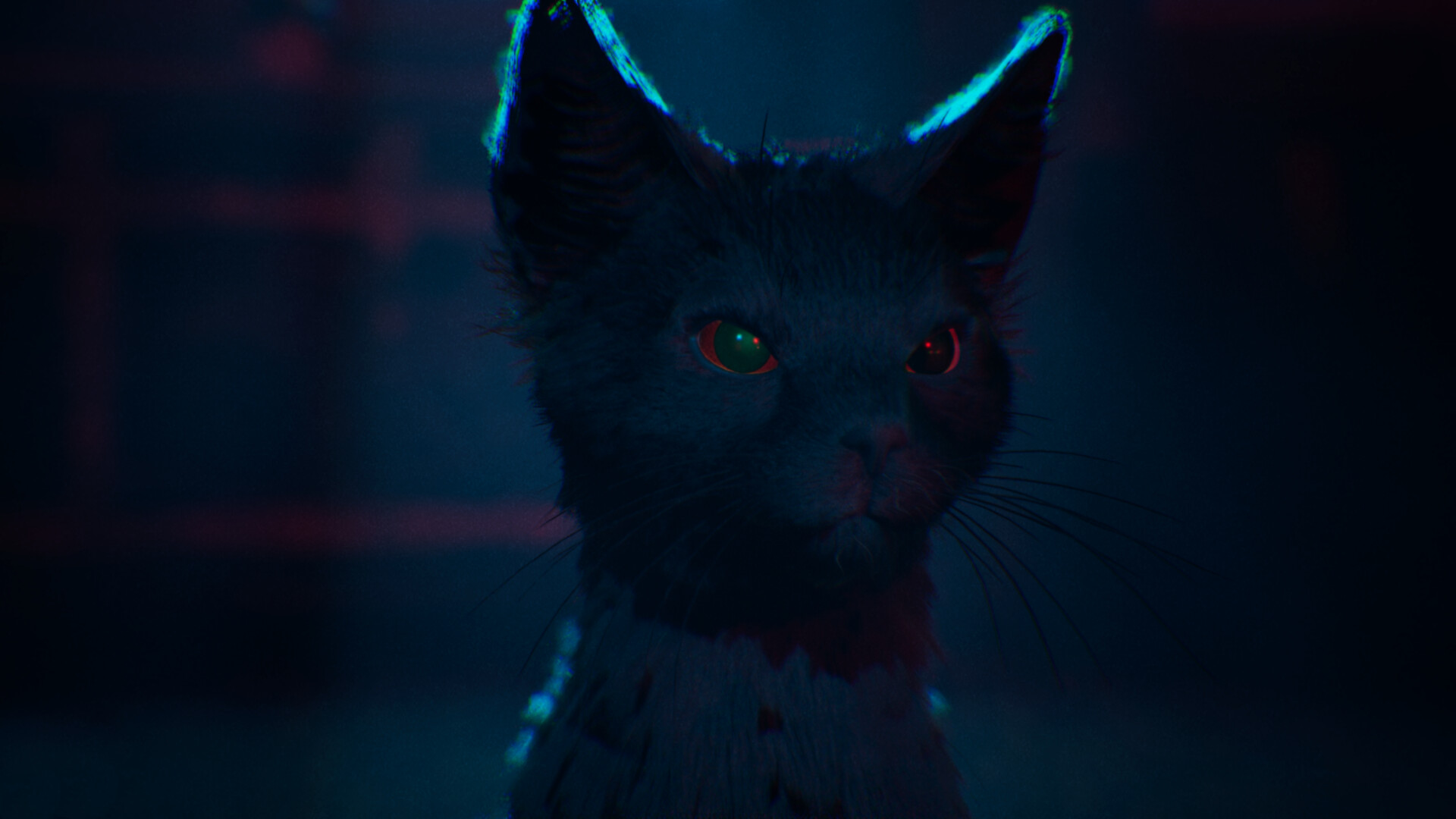
Through magical space-time antics, her father, Aaron, is summoned from 1999 to be a cat familiar to Noa Brooklyn, the Collector. There is also the Zaindaris, an ancient tribe of mystics that balances the world by uplifting chosen members of the human race to receive magical gifts that let them live longer lives to benefit the world at large, but eventually are corrupted by the same boon.
The role of Noa, as a Collector, is to take the magic back from these corrupted immortals, as this corruption often leads them to inflict suffering on the very people they were given these abilities to benefit. The story itself swaps between 1999 segments and the Dutch Golden Age, although the modern segments are more side quests than anything.
Writing is a mixed bag

The writing is good in some places and really poor in others. We have a lot of details on when and where, but not a lot of why for anything that’s going on with these characters, granted it’s still very early in the story, but there are a lot of details given to us about Noa, but we know almost nothing about Aaron.
Most of the gameplay involves identifying the Originals, the name for the immortal beings, and then invoking a ritual on them, which compels them to basically fight you as a boss. This part involves you seeking out information, infiltrating their abodes, and finding proof of their original identity. You use your powers as Noa to invoke different magical abilities, although not a lot are currently available, and they are mostly used to distract or trick.
While you can use them in combat, it is very unwieldy. Some kind of ability to assign spells to quick cast and be able to swap between enemies during locking on would greatly help the clunkiness that makes combat devolve into whacking enemies with a stick and using dodge anytime any of them move their arm in your direction.
The other aspect of gameplay is the familiar, with Aaron as a cat. The cat can access areas that Noa simply can’t, to unlock latches and gain access to areas where Noa shouldn’t be. There was a really frustrating aspect to some of this, as sometimes it would indicate I could leap to areas and the game simply wouldn’t do it.
I ended up making a lot of use of the fact that the cat can also possess certain NPC characters, which let me essentially have free rein of most of the areas with no danger. I’m not sure if they will address this aspect more down the line, but this seemed to break all the balance of gameplay. I was looting entire houses that would normally get me swarmed by guards in any normal scenario, so it also did break my immersion a bit too.
Related: Has Your Enthusiasm for Gaming Waned Too?
The game setting itself is crafted very well, and was just what I was expecting to be looking at for a historically accurate piece. The game itself is still in early access, so there is obviously work to be done in the details, but you can already see the concept beginning to materialise in how the setting is built and presented to the player.
The art style itself is a little rough, but has charm. My PC had some rendering issues with the game itself, but I have seen how it can look, although a lot of reviews have cited performance issues getting it there. The game is in very early access; the version I played was 0.2.2, so they clearly know they have a while until launch, which is good so they can hopefully take their time and address the issues.
The game has a lot of interesting aspects to it; it’s taking a lot of ideas and trying a lot of interesting things, but the issue is they aren’t blending well together. They really should have concentrated on their core gameplay first and foremost.
Basic movement during combat is clunky; the game has a lot of issues switching between combat, and when you want to disengage and simply try to hide, there doesn’t seem to be any real punishment for not staying incognito other than having to whack-a-mole a bunch of guards. The game also doesn’t have a standard checkpoint system, although it does save at the beginning of every new chapter; if you die, you still use your limited items, and you have to re-roll the abilities you got at the beginning of the chapter, which is very jarring, to say the least, and really makes it seem like none of the abilities was really designed around unlocking naturally.
It makes character progression just feel unfocused. I had fun with what I did play, but I saw rough edges poking through even in my short time in the early access chapters, so I hope the developers take the time to polish the gameplay before they move forward with other aspects of the game.
Oof, it uses AI

Now, part of this review will be simply addressing the fact that the creator of this game, Director Patrice Désilets, has gone on record of having used AI to generate early access placeholders found within the demo chapters. While I personally do have a problem with any usage of AI, I feel this is up to the gamer to decide for themselves, provided that they have disclosed this information before they purchase the product. Désilets has said they will be using only artists for the production of the final game art; this could still be proven false.
The game is currently for purchase in Early Access for $29.99 as the base price, which is quite high for the content that is currently available to play, in my opinion. If the concept really thrills you, see if you can get it on sale, but buyers should know what you can play, as of the time of this review, is simply an extended demo.
We will not be giving it a proper score until it officially launches, but I give this demo a Glitchy Witchy/10.
A free PC code was provided by the publisher through PressEngine for this preview.
Leave a Reply